
The Beverly HIlton will play host to this year’s Design Leadership Awards; register today to secure your spot.
Hotels like the Beverly Hilton have a unique place in Los Angeles culture—they're not private retreats, per se, but rather one of the many stages on which the city’s famous denizens have conducted their public life. Film stars, presidents, executives, and partygoers have all passed through the establishment at Wilshire and Santa Monica, whose bright "marshmallow white" façade, stacked balconies, and rows of palms retain the crisp geometry of the 1950s—even after decades of red carpets and televised ceremonies.
Conrad Hilton opened the property in 1955, at a moment when postwar Los Angeles was expanding rapidly, and its hospitality industry was trading enclosed formality for sunlight and indoor-outdoor living. He tapped architect Welton Becket to design the project; the architect and his firm would go on to complete such city-defining projects as the Capitol Records Building, the Cinerama Dome, the Los Angeles Music Center, and the master plan for Century City. The Beverly Hilton may be less theatrical than some of those landmarks, but it demonstrates the same confident architectural language.
Becket's practice was known for "total design," an approach that treated architecture, interiors, furniture, graphics, and landscape as parts of one composition. At the Beverly Hilton, that thinking produced an incredibly cohesive urban hotel with the disposition of a multifaceted resort. Guest rooms open to balconies and California light, while terraces and gardens extend activity outdoors; at the center is the Aqua Star Pool, which remains the largest hotel pool in Beverly Hills.
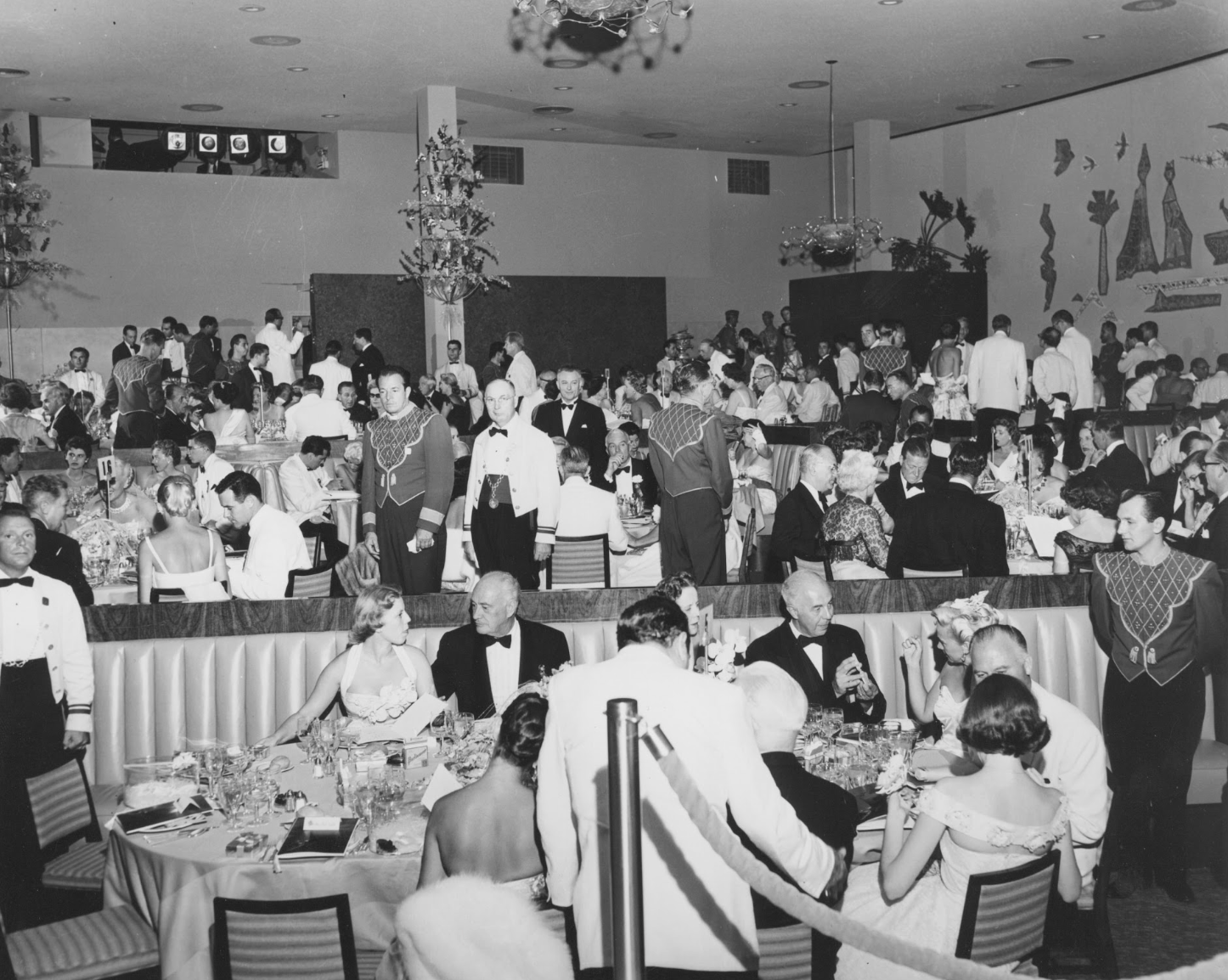
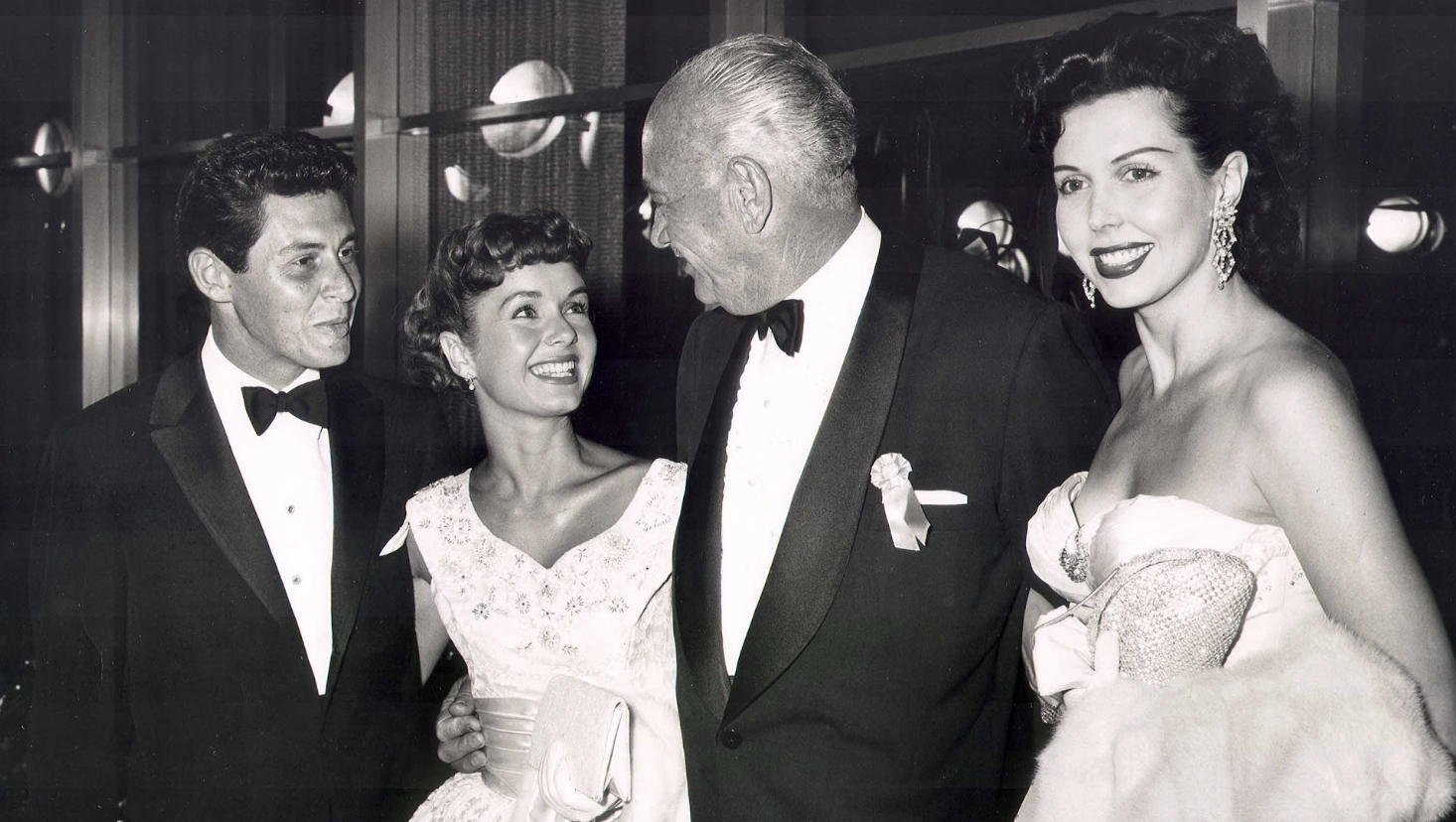
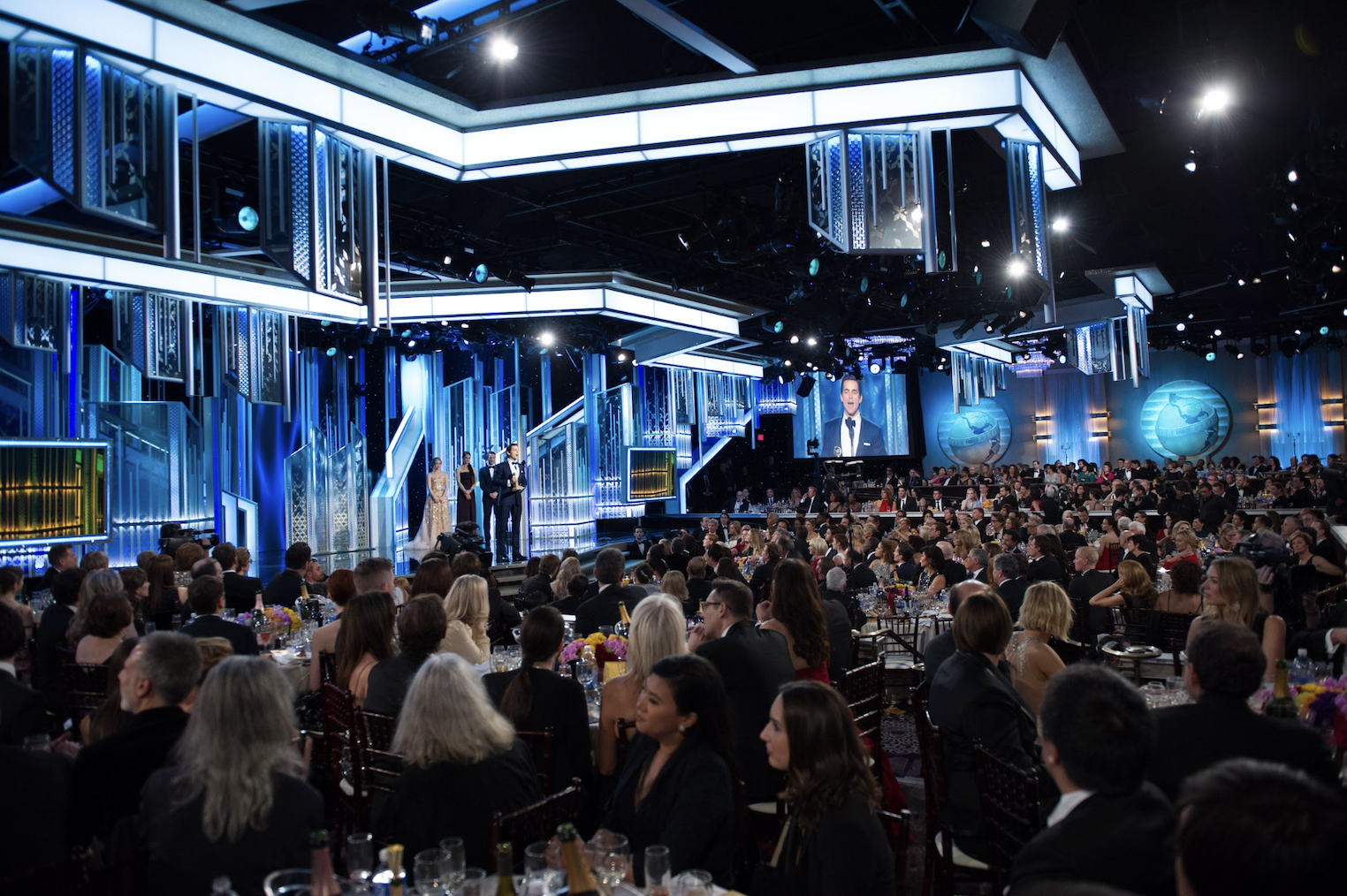
The Beverly Hilton cemented its place in entertainment history almost immediately after opening. It hosted the first Grammy Awards in 1959, one half of a bicoastal ceremony held simultaneously in Beverly Hills and New York. The Golden Globes followed and have returned for more than half a century, joined over the years by the Academy Awards Nominees Luncheon, Pre-Grammy Gala, and myriad political, philanthropic, and industry gatherings. President John F. Kennedy reportedly called the property the "Western White House," a description that worked both politically and visually, thanks to Becket's signature paint color.
Many of those events are hosted inside the International Ballroom—you may not recognize it during the Golden Globes, when it gets a complete makeover—but across the property, more than 60,000 square feet of indoor and outdoor event space make it possible to move between conferences, dinners, performances, poolside receptions, and guest rooms without leaving the grounds.
Of course, seven decades of continuous use require periodic reinvention. In the aughts, Gensler and Hirsch Bedner Associates refreshed the guest rooms and major public spaces while reviving elements of the hotel's original graphic identity. The Beverly Hilton is now entering its most consequential transformation yet. David Collins Studio leads a new renovation, reworking the arrival spaces, guest rooms, event venues, and hospitality areas while retaining the Becket façade.
The hotel will also become an anchor of One Beverly Hills, a $10 billion, 17.5-acre development planned by Foster + Partners and Kerry Hill Architects that links it with the neighboring Waldorf Astoria Beverly Hills and a forthcoming Aman hotel and residences. RIOS's landscape plan for the site introduces 10 acres of public gardens on land once occupied by the Beverly Hills Nursery: More than 2,100 trees, along with thousands of native and adaptive shrubs, will turn what has long been a prominent intersection into a much greener piece of the city.
The Beverly Hilton's setting at the intersection of Wilshire and Santa Monica Boulevards might be transformed in the not-too-distant future, but the hotel will still do what it has always done best: give the city a place to gather, perform, and—of course, be seen.