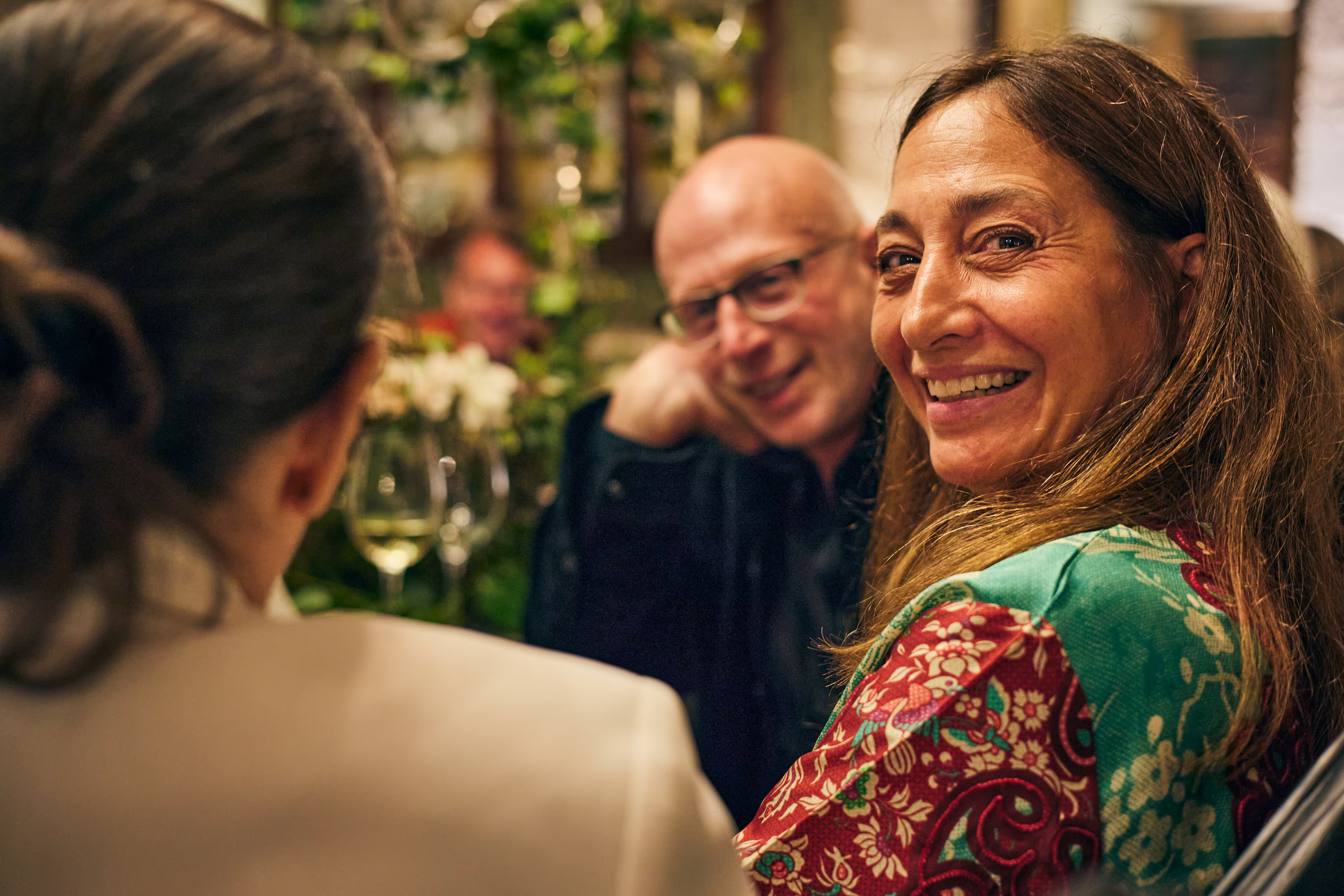
Sometimes, as the famous Cheers tagline goes, you want to go where everybody knows your name. As a college student in Boston, Elizabeth Georgantas was lucky to find one such place: a “dirty, gross, but charming” dank dive of a gay bar that she’d frequent with queer friends in Boston’s South End. It was called The Eagle. “Someday I’m going to buy this; I can picture doing something fun with it,” she recalls thinking throughout the years.
During her loyal patronage—30 years, by her count—Elizabeth befriended The Eagle’s owner. So when the establishment closed during COVID times and ceased to reopen, Elizabeth took the plunge and purchased the bar.
Though ideas hatched in bars are often half-baked or fully forgotten the following day, such was not the case in this instance: In October, 2022, a new iteration of the bar opened its doors for business, unrecognizable save for its facade. Enter: The Kartal.
The Kartal’s visual tributes to its predecessor may go unnoticed to the uninitiated, but to those familiar with its history, they offer a fitting memorial: Taken for example, the artifact wall bearing the eagle-adorned helmet worn on the job by its former firefighter owner.
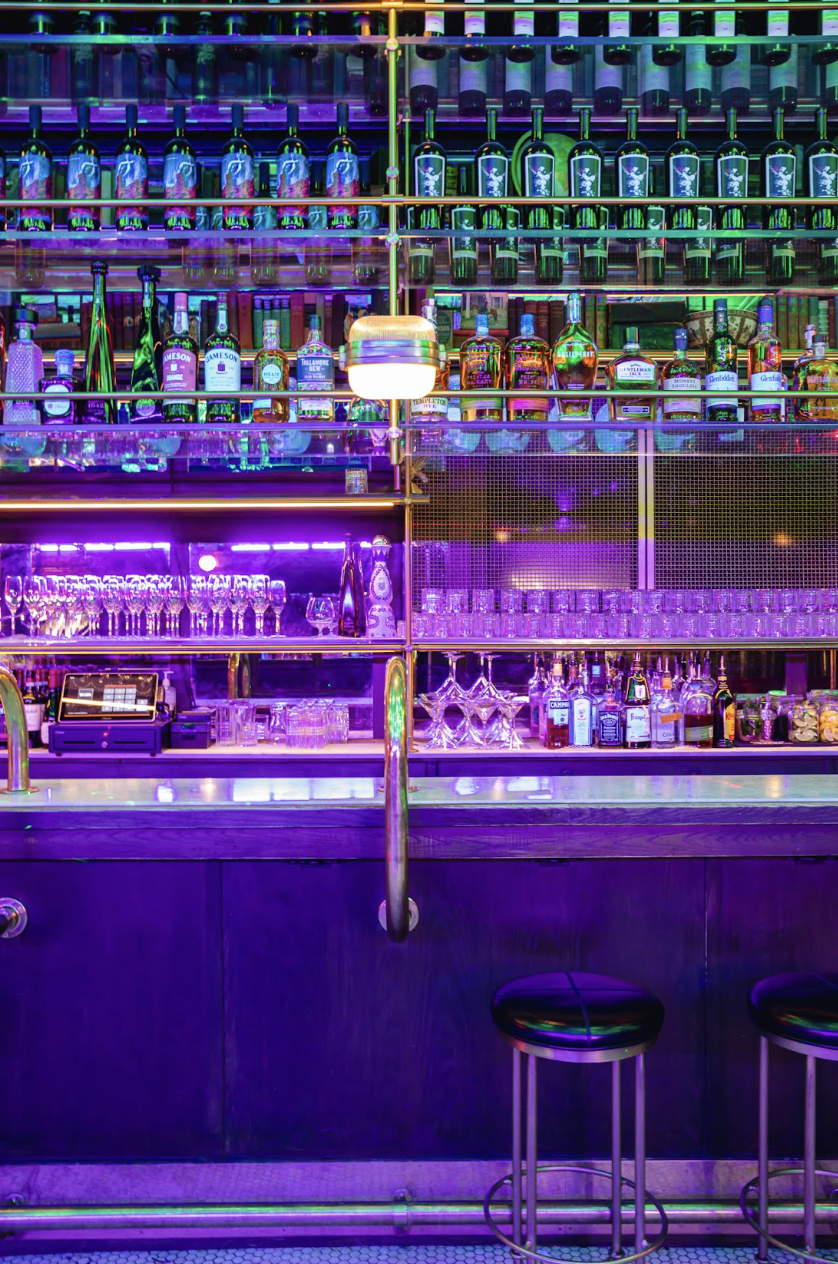
In its most literal interpretation, Elizabeth salvaged what she could, structurally, of the former Eagle, including its tiled flooring (which was challenging, but ultimately successful) and pre-war tin ceilings. The theme even extends to the bar’s name: Kartal means “eagle” in Turkish. “It felt like you were stepping into another world at the Eagle,” says Elizabeth.“Hopefully I've managed to maintain that, just in a place where you actually want to drink out of the glasses now.”
At the time of its closure, the Eagle was one of Boston’s longest-running LGBTQIA+ establishments, a legacy Elizabeth hopes to honor: “There are very few gay bars left in Boston, so I really wanted to be super respectful of the long-standing history that this bar had,” she says. “It was important to maintain a place where the community felt equally as comfortable as anybody else who would walk in.”
Elizabeth carries on the tradition of gathering by creating opportunities for people to connect. “Anywhere and everywhere that I can bring people together makes me happy,” she says. “I have a space where I can do that now and it feels sort of like an extension of my living room.”
This story is from Issue 3 of The Quarterly. Click here to see the full issue.